Most people freeze when they sit down to actually build a time capsule. They start strong and then run out of ideas. Or they over-stuff it with everything they can find, and the capsule loses its meaning.
Here's a practical guide to what to include — broken down by what actually works.
Use this like a packing list, not a recipe. Pick the items that fit the recipient, ignore the rest, and resist the urge to add things just to fill space.
Start with the person who'll open it
The single best filter is: 'Would this surprise or move the person on the other side?' If yes, in. If not, leave it out.
A capsule for a future grandchild needs different contents than a capsule for your future self in five years. Be specific about the recipient before you choose contents.
If you're stuck on who the capsule is for, our full guide on building a capsule walks through it as the first step — and the answer changes everything downstream.
Photos
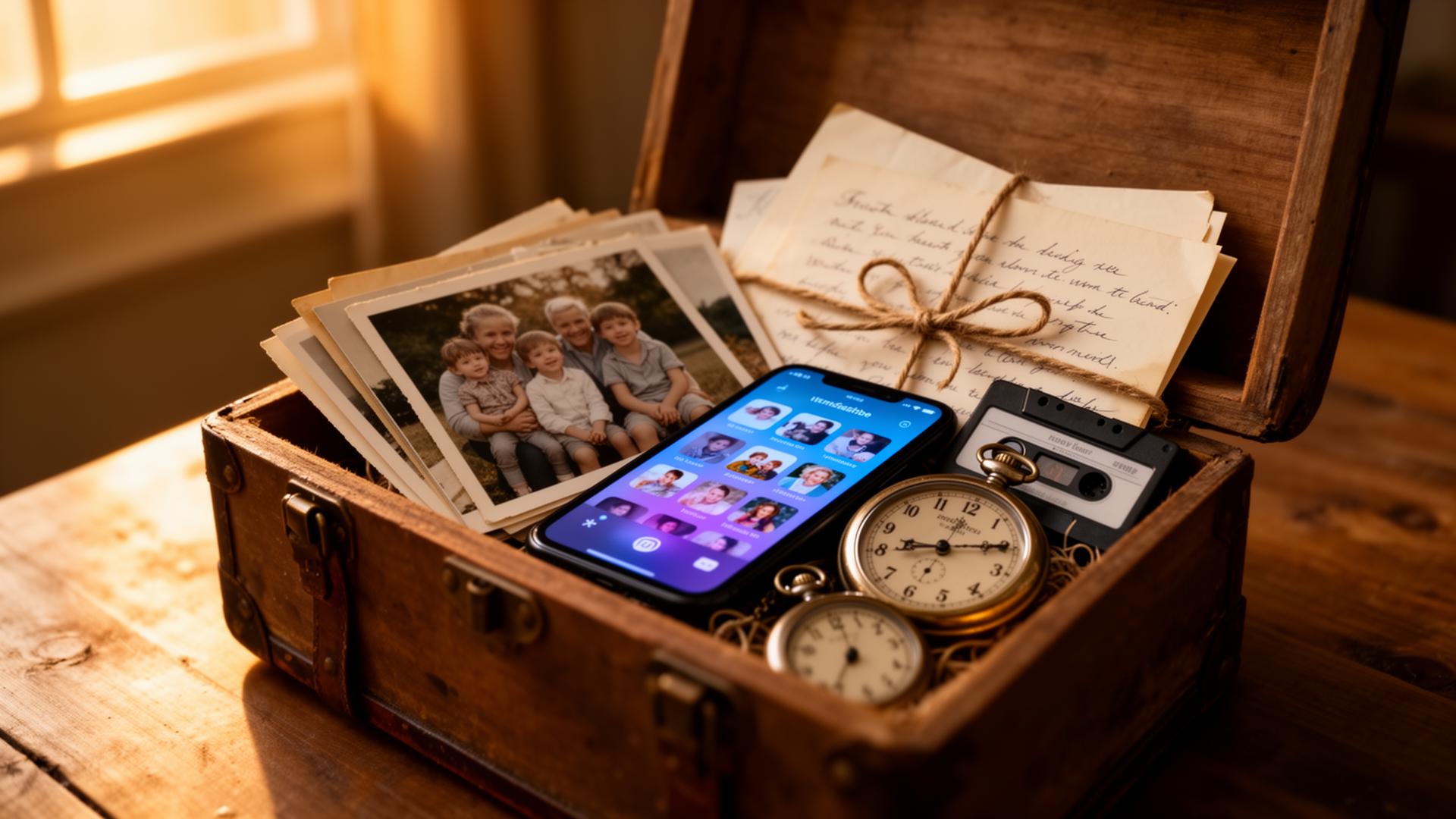
Skip the highlight reel. Include 10–30 photos: a few of the recipient if they exist today, a few of you, photos of your home and routine, and photos of the people who shape your life right now.
Add captions. A photo without context loses most of its meaning in twenty years.
When in doubt, include the un-posed photo over the posed one. The Tuesday-morning kitchen photo will age better than the holiday card you spent six hours composing.
Voice notes
Voice notes are the single most underrated thing you can include. Twenty years from now, a voice memo of someone laughing, telling a story, or saying 'I love you' is unlike anything else.
Record short ones — 30 to 90 seconds. Make several, not one long one. Short voice notes get listened to over and over. Long ones get archived and forgotten.
Short videos
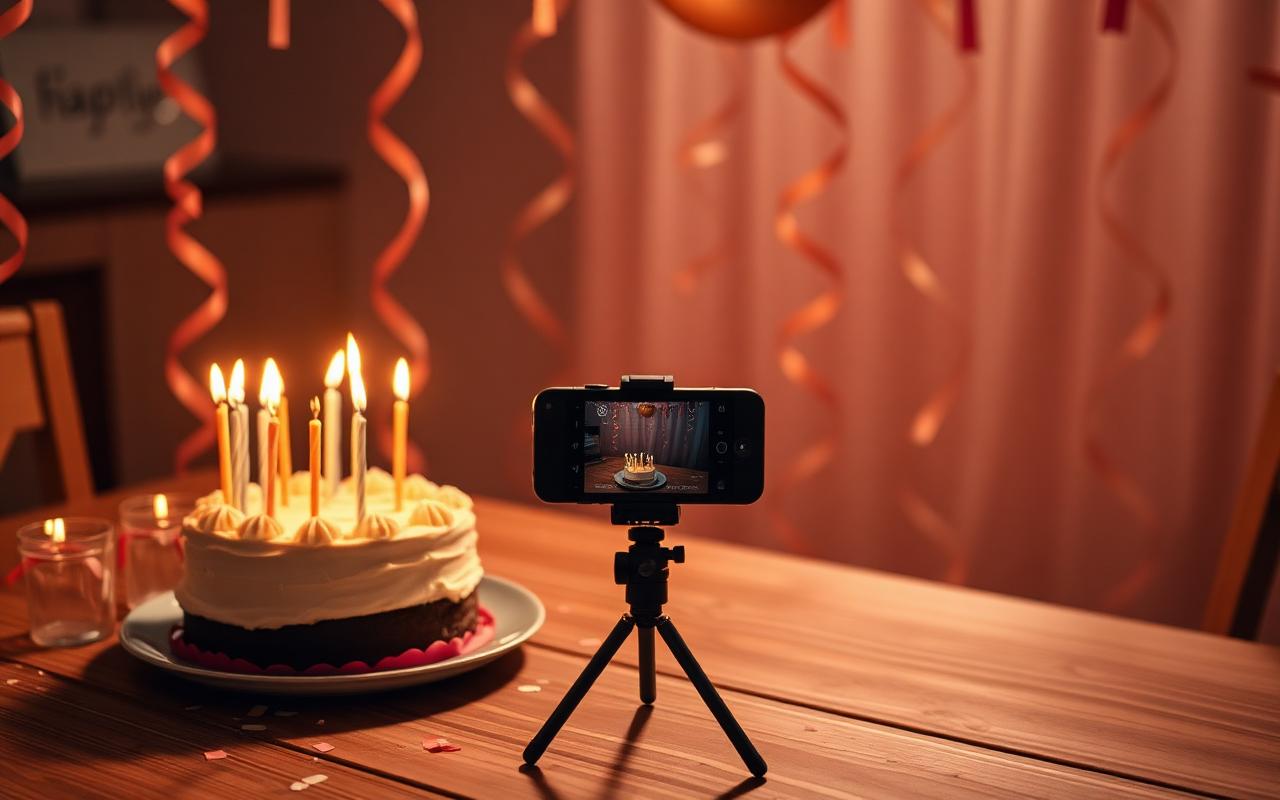
Two or three short videos are plenty. A video of an ordinary day. A video walking through the house. A video of an everyday meal.
The 'normal' stuff is what's hardest to remember later — that's why it's so powerful. Spend less time getting the frame perfect and more time capturing actual rhythm.
Letters
Write at least one letter directly to the recipient. Be honest. Tell them where you are in life. Tell them what you're hoping for. Tell them what you'd say if you were sitting across from them.
Letters age beautifully. Even short ones.
If a full letter feels heavy, write three small ones instead. One about who they are today (or who you imagine them being), one about you, one about the world right now.
Context for the moment in time
Add a few items that capture what life is like right now — favorite songs, the news of the week, what things cost, what people are talking about. These details are surprisingly evocative when opened years later.
A grocery receipt is a wildly under-rated capsule item. So is a screenshot of your home screen. Tiny details age into time travel.
Tailor it to the audience
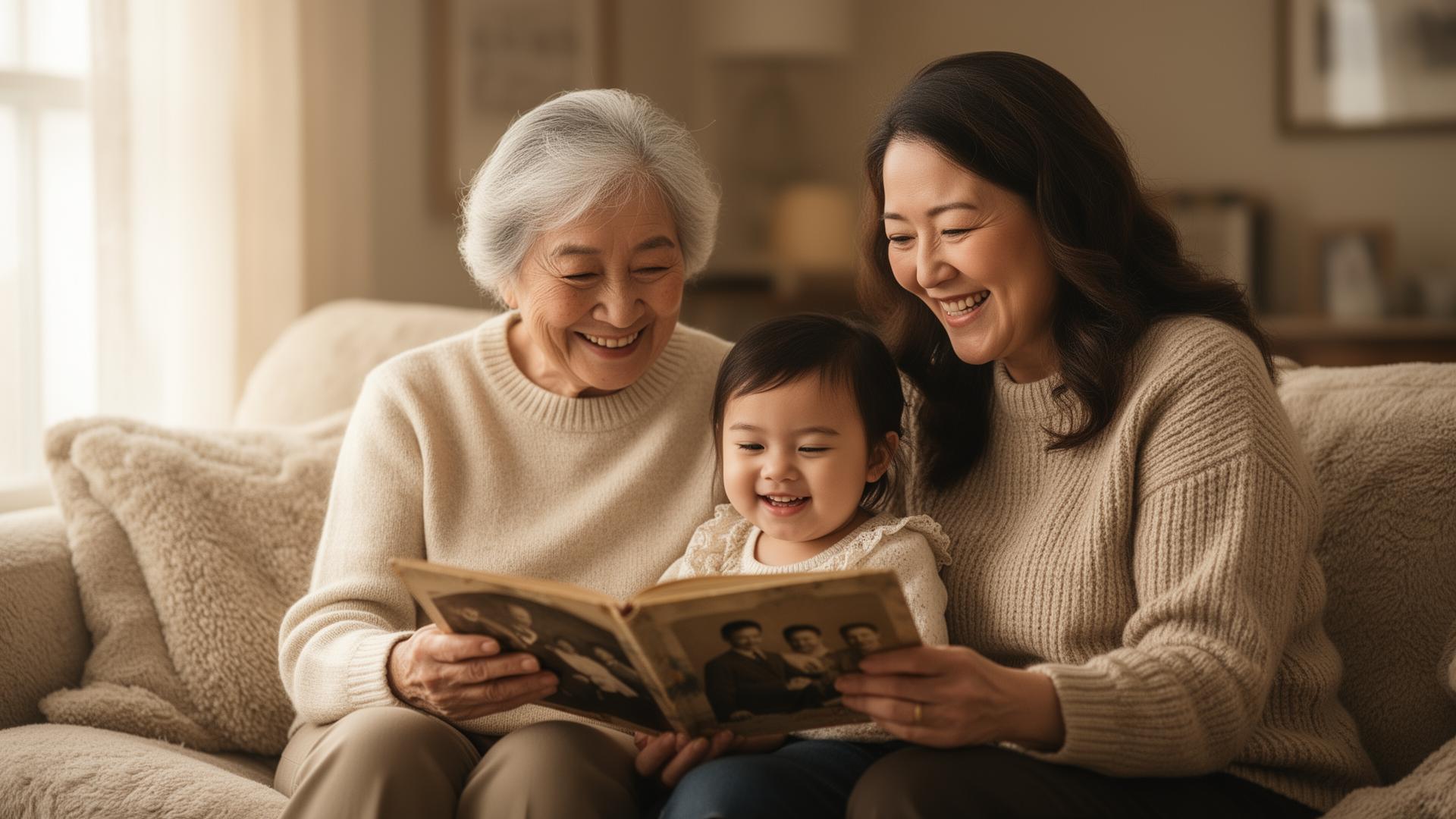
For a child or grandchild: lean heavily on voices, names of people in their life today, and short letters they can grow into.
For a partner on a future anniversary: photos from the year, a voice note about the inside jokes, a letter about what this year was really like.
For your future self: lean honest. Letters about what you're hoping for, scared of, and grateful for. Future-you wants the truth, not a performance.
What to skip
Skip duplicate photos. Skip giant video files of events you don't remember. Skip anything that requires the recipient to know context you haven't included. A capsule is a curated artifact, not a dump.
And skip the urge to be impressive. The capsules that land are honest and small, not polished and big.
- Start with the person who'll open it
- Photos
- Voice notes
- Short videos
- Letters
- Context for the moment in time
- Tailor it to the audience
- What to skip
Related on Skypod