There's a particular regret that almost every family eventually feels: 'I wish I had recorded them.' It comes after a loss, when the photos no longer feel like enough.
The good news is that preserving someone's legacy is one of the most doable things in the world — if you start before you think you need to.
This guide is written for the moment you're in right now: when nothing is urgent, and you have time.
Start while it feels too early
If you wait until a loved one is sick, you'll be racing the clock. If you start now, while everything is fine, you have the gift of time. Most legacy work gets done in small sessions over months, not in one big push.
Starting early also makes the conversations easier. There's no weight on them. You're just sitting down to talk.
Start with simple questions
The easiest way to begin is by asking. 'What was your childhood like?' 'What's the story behind this photo?' 'What do you wish people knew about your mother?'
Record the answers. You don't need a studio — a phone voice memo is plenty.
Aim for one twenty-minute conversation. That's it. Twenty minutes of someone you love telling stories about their own life is something your family will treasure for generations.
Label the photos before they become mysteries
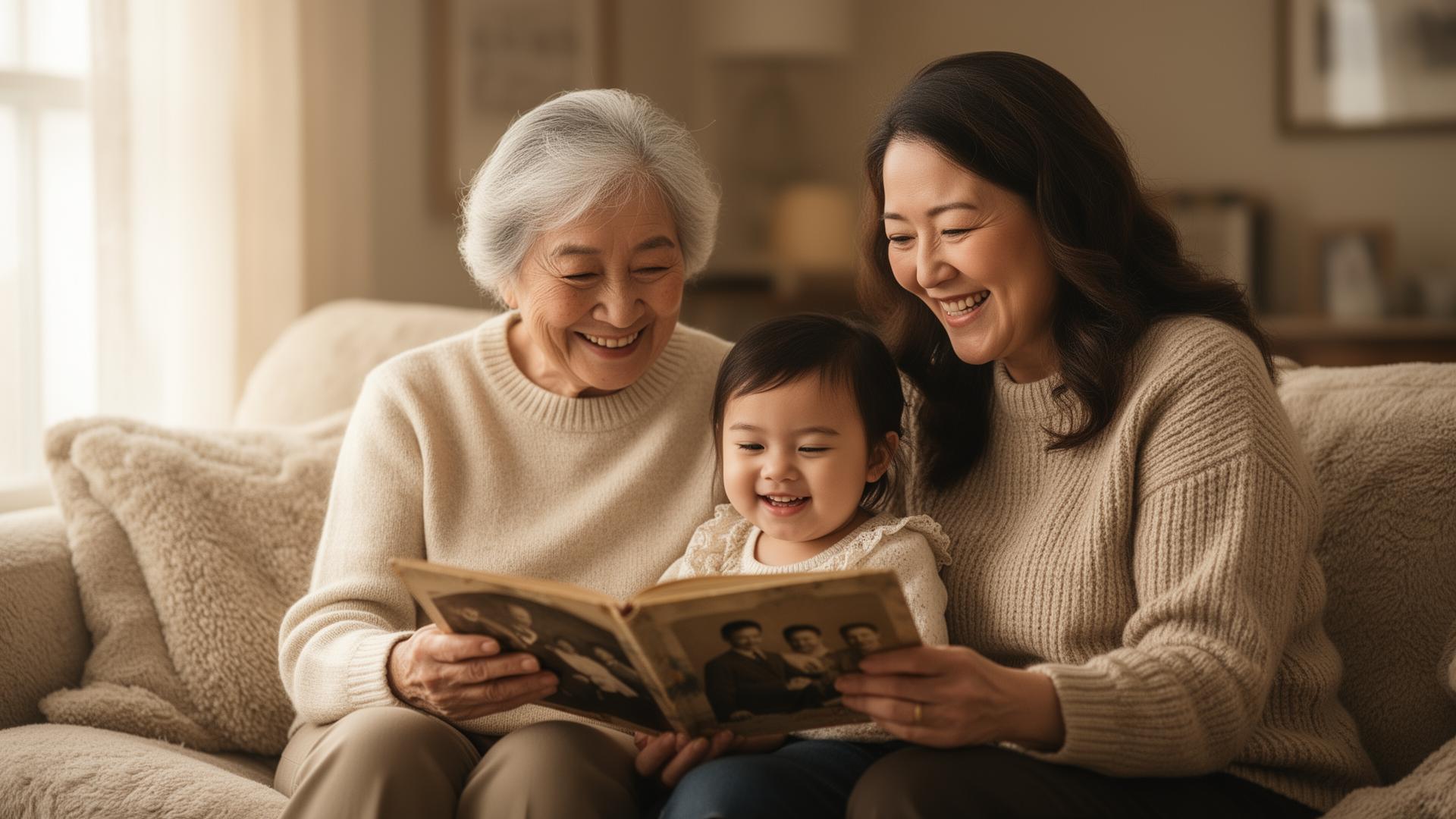
Sit down with old family photos and have your loved one narrate them — who the people are, where it was taken, what was happening. Capture it as voice notes attached to the photos.
Most family photo collections become unidentifiable within a single generation. This step alone is one of the highest-value things you can do.
If you do nothing else from this list, do this. It's the easiest project, and it has the highest survival rate.
Capture values, not just facts
Facts about a person fade. The qualities of a person are what families remember. Ask your loved one what they believe about family, work, faith, and how to treat people. Record their answers in their own words.
A legacy is mostly made of those answers.
If you're not sure what to ask, start with: 'What do you wish you'd been told sooner?' It's the question that unlocks more than any other.
Letters to people who aren't here yet
Help your loved one write or record short messages to grandchildren and great-grandchildren — including ones who haven't been born yet. These messages are some of the most meaningful things a family can have.
They're also some of the easiest to make. A single voice note, sealed and scheduled, can travel decades into the future.
Make it easy to keep
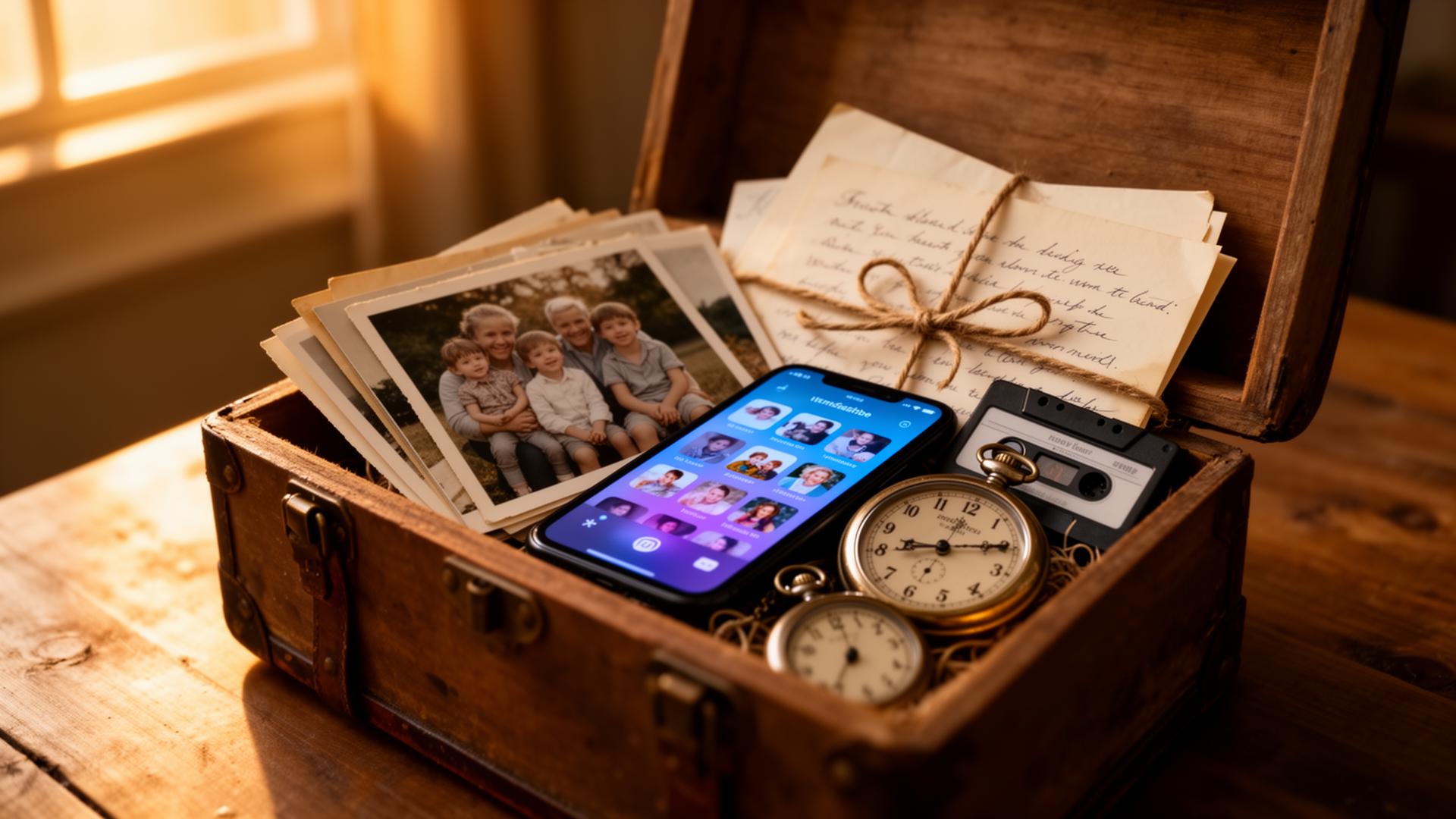
A loose collection of files on a hard drive will almost always be lost within a generation. A dedicated Legacy Pod is built for the long run — searchable, sharable with the right people, and resilient to changing technology.
Treat the archive itself as part of the legacy. Make it something the next generation can pick up easily.
If you're starting after a loss
It isn't too late. There's almost always more than you think. Photos. Voicemails. Texts. Videos other people took. Stories from siblings, cousins, friends, neighbors.
Gather it gently. Don't rush. Put it into one place so it stops feeling like fragments and starts feeling like a person.
If recording the people who knew your loved one is possible, start there. Their stories will fill the gaps no photo can.
What you're really building
A legacy isn't a biography. It's the sense, decades from now, that someone real lived — that the family came from a specific person with a specific voice, not from a blurry idea.
Even a small legacy pod, done honestly, does that work.
- Start while it feels too early
- Start with simple questions
- Label the photos before they become mysteries
- Capture values, not just facts
- Letters to people who aren't here yet
- Make it easy to keep
- If you're starting after a loss
- What you're really building
Related on Skypod